

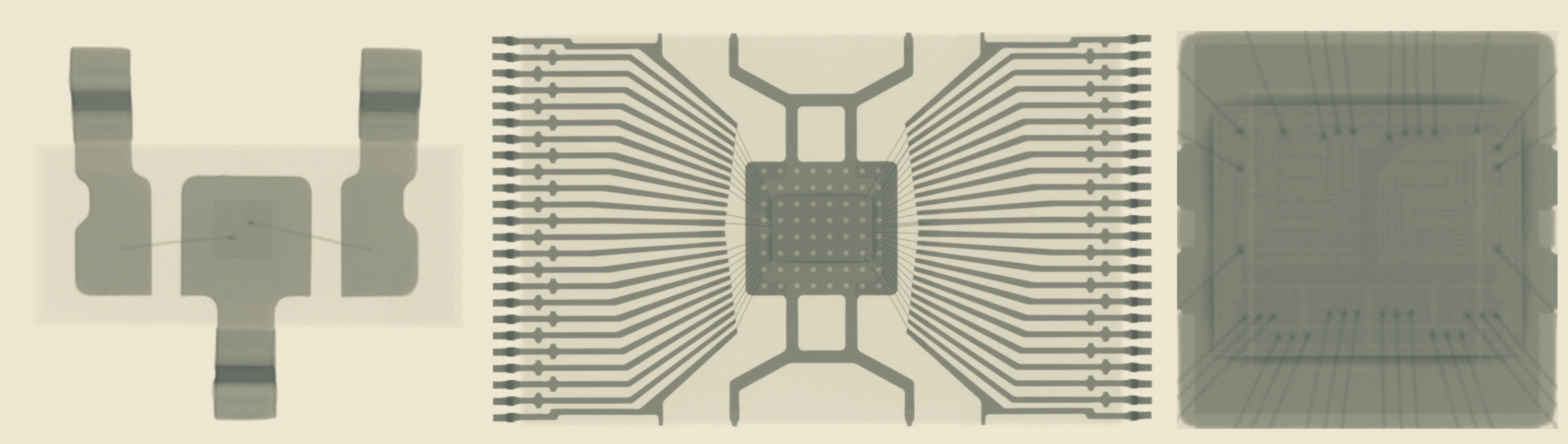
X-ray Internal Structure Inspection
X-ray internal structure inspection is a widely used non-destructive testing method for evaluating the internal construction and potential structural risks of electronic components. This technique enables the visualization of internal features such as solder joints, die attachment conditions, wire bonding structures, and internal layouts, as well as the identification of potential defects including cracks, voids, delamination, or signs of abnormal modification.
X-ray inspection is commonly applied as part of industry-recognized inspection practices for quality evaluation, counterfeit risk screening, and reliability assessment. When applied appropriately, it provides valuable technical support for manufacturers, distributors, and end users in assessing component integrity and internal structure quality.
Principles and Importance of X-ray Inspection
X-ray inspection utilizes the penetrating capability of X-rays to pass through electronic components and generate images of their internal structure. Differences in material density create contrast between metallic and non-metallic regions, allowing inspectors to evaluate solder joint quality, internal connectivity, chip alignment, and the presence of internal cracks, voids, or air pockets.
This inspection method plays an important role in identifying manufacturing-related issues and potential reliability risks, particularly for applications with elevated reliability requirements, such as aerospace systems, defense-related equipment, and medical devices. X-ray inspection can help reveal internal damage that may occur during manufacturing, handling, or transportation, and can also highlight internal features that warrant further investigation.
Industry-recognized standards and technical guidelines related to counterfeit risk mitigation and advanced inspection techniques provide general reference frameworks for implementing X-ray inspection as part of a broader quality and risk-control process. These references typically address inspection objectives, equipment capability, parameter setting, and result interpretation.
X-ray Inspection Process
Test Preparation
● Define inspection objectives and technical requirements based on component type and evaluation purpose.
● Set appropriate X-ray inspection parameters based on component type and inspection objectives.
● Prepare test samples with clear identification to support traceability and record management.
X-ray Imaging
● Adjust X-ray energy, magnification, and exposure settings according to component structure and inspection depth.
● Perform X-ray scanning to obtain images of internal features and structural conditions.
Image Analysis
● Analyze X-ray images using dedicated software tools to identify internal structural anomalies or inconsistencies.
● Evaluate the integrity and relative positioning of solder joints, internal connections, and key structural elements.
Reporting and Result Evaluation
● Document inspection observations, including identified anomalies and potential quality concerns.
● Compile inspection results into a structured inspection report to support quality review and follow-up evaluation.
X-ray Inspection Equipment
● X-ray Detectors
X-ray detectors are used to capture transmitted radiation and convert it into image data. Detector resolution and sensitivity directly influence image quality and defect detectability.
● X-ray Imaging System
The X-ray imaging system integrates hardware and software for image acquisition, processing, and visualization. It supports real-time observation and multi-angle analysis, enhancing visibility of internal component structures.
In our laboratory, X-ray internal structure inspection serves as an important analytical method for evaluating internal construction quality and identifying potential structural risks in electronic components. Through controlled inspection processes and appropriate imaging techniques, we provide customers with clear and actionable internal structure insights that support informed quality decisions. This approach helps reduce the risk of undetected internal defects and contributes to improved product reliability and application confidence.